If you or a family member has an NDIS plan and you’re wondering how to access exercise physiology in Sydney, you’re not alone. Many participants have the right funding in their plan but aren’t sure how to actually use it. This step-by-step guide walks you through everything — from understanding your budget categories to booking your first appointment.
Using your NDIS exercise physiology funding in Sydney doesn’t have to be complicated. Once you know where to look in your plan and what to ask for, the process is straightforward.
What Is Exercise Physiology Under the NDIS?
Exercise physiology is an allied health service that uses structured, evidence-based exercise to help people with disability manage their condition, improve function, and maintain independence. For NDIS participants, this can include things like strength training, cardiovascular exercise, balance and coordination programs, and hydrotherapy.
An Accredited Exercise Physiologist (AEP) holds a university degree in exercise science and is trained specifically to work with people who have chronic conditions or complex health needs. This is different from a personal trainer — exercise physiologists are registered health professionals who work within the clinical and functional goals set out in your NDIS plan.
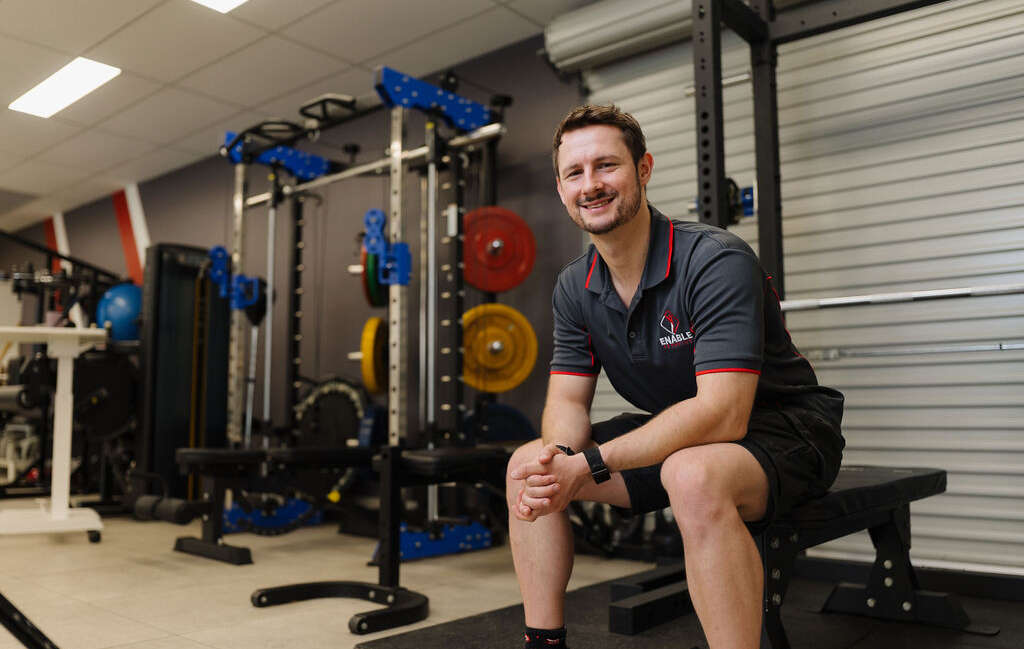
At Enable Exercise, our team specialises in neurological conditions including spinal cord injury, Parkinson’s disease, multiple sclerosis, stroke, acquired brain injury, and cerebral palsy. We also offer sessions with Australia’s most advanced full-body rehabilitation exoskeleton, the EksoNR.
Which NDIS Budget Category Covers Exercise Physiology Funding?
This is where people often get confused. Exercise physiology can appear in two different budget categories depending on how your plan is written:
- Capacity Building — Improved Health and Wellbeing (CB_Daily_Activity)
This is the most common funding category for exercise physiology. It’s designed to help participants build skills, improve fitness and function, and work toward independence. Sessions are typically focused on goals like improving strength, mobility, cardiovascular health, or reducing the impact of a neurological condition. - Capacity Building — Improved Daily Living (CB_Daily_Activity)
Some participants access exercise physiology through this category when the focus is on daily living tasks — for example, building the strength and coordination needed to perform personal care, transfer safely, or move around the home.
What about Core Supports?
In some cases, exercise physiology may be funded under Core Supports if the goal is directly tied to daily activities. Your plan manager or support coordinator can clarify which category applies to you.
If you’re not sure which category your funding falls under, the line items to look for are 15_056_0128_1_3 (Physiotherapy) or 12_024_0128_1_3 (Exercise Physiology) on your NDIS funding statement.
Step-by-Step: How to Access Exercise Physiology With Your NDIS Plan
Step 1: Check your plan for Capacity Building funding
Log into the myplace portal at my.ndis.gov.au and look at your current plan. If you have a Capacity Building budget under “Improved Health and Wellbeing” or “Improved Daily Living,” you likely have funding available for exercise physiology.
Step 2: Speak with your support coordinator or plan manager
If you have a support coordinator, they can check your plan, confirm your budget, and help you find a registered provider. If you’re self-managed or plan-managed, you have more flexibility in choosing who you see — registered providers like Enable Exercise can work with all NDIS plan management types.
Step 3: Contact a registered NDIS exercise physiology provider
Not all exercise physiologists are NDIS-registered. It’s important to choose a provider who understands NDIS billing and can work with your plan type. Enable Exercise is a registered NDIS provider and works with self-managed, plan-managed, and NDIA-managed participants. Get in touch with our team to check availability and discuss your goals.
Step 4: Book an initial assessment
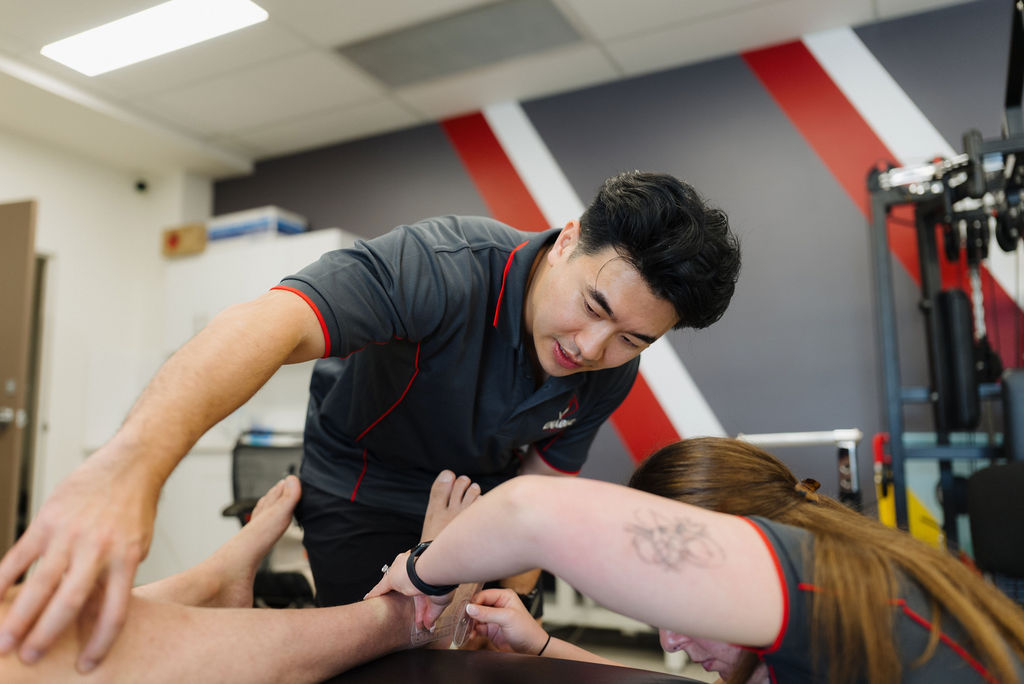
Your first appointment will typically be a comprehensive assessment. Your exercise physiologist will review your diagnosis, functional capacity, current activity levels, and your NDIS goals. This forms the basis for your individualised exercise program.
Step 5: Start your program
After the assessment, you’ll begin your structured program. Sessions are typically weekly or fortnightly, and your physiologist will monitor progress and adjust the program as you improve. Progress notes and goal tracking are included as part of NDIS service delivery.
What If Exercise Physiology Isn’t in My Current Plan?
If your plan doesn’t currently include exercise physiology funding, don’t worry — there are options.
You can request that exercise physiology be included at your next plan review. To support this, ask your GP or specialist to write a letter outlining why exercise physiology would benefit your condition and how it links to your functional goals. Evidence from your treating team carries significant weight in plan reviews.
You can also request a plan review outside of your scheduled review cycle if your needs have changed — for example, after a health event like a fall, hospital admission, or change in condition. Speak with your support coordinator or contact the NDIS directly on 1800 800 110.
Learn more about our NDIS services at Enable Exercise.
How Many Sessions Can I Get?
Session numbers vary depending on your individual plan. Most participants access between 12 and 52 sessions per year, though this depends on the complexity of your condition and the goals in your plan.
Your exercise physiologist can write a service recommendation letter at any time to support a request for additional sessions. This letter outlines your current functional status, progress to date, and why ongoing sessions are clinically justified.
Frequently Asked Questions
Do I need a referral from my GP to see an exercise physiologist under the NDIS?
No. Unlike Medicare, the NDIS does not require a GP referral to access exercise physiology. You just need the relevant funding in your plan. That said, having your GP involved in your care is always a good idea — they can coordinate your treatment and support funding requests at plan review.
Can I use my NDIS funding for exercise physiology if I’m self-managed?
Yes. Self-managed participants can use any exercise physiologist, including unregistered providers. Plan-managed participants need to use NDIS-registered providers. NDIA-managed (agency-managed) participants must also use registered providers. Enable Exercise is registered with the NDIS and can work with all management types.
What happens if I run out of exercise physiology funding mid-year?
If your exercise physiology funding runs low, talk to your support coordinator or plan manager. In some cases, funding can be rebalanced between budget categories. You can also ask your exercise physiologist to write a letter supporting a request for extra funding, outlining your progress so far and the clinical reasons ongoing sessions are needed. This letter can be submitted to the NDIA for consideration as part of a plan reassessment, so you don’t have to wait until your next scheduled review to keep your program going.
Ready to get started? Contact Enable Exercise today, or explore our full range of services to see how we can support your NDIS goals.