If you’re an NDIS participant — or supporting someone who is — you may be wondering about NDIS exercise physiology Sydney providers and what they offer. As a specialist in NDIS exercise physiology Sydney, Enable Exercise helps people with neurological and physical disabilities build strength, improve movement, and live more independently. This guide covers everything you need to know.
What is NDIS Exercise Physiology?
Exercise physiology is a university-qualified health profession that uses structured, evidence-based exercise to improve the health and function of people living with disability or chronic conditions. An Accredited Exercise Physiologist (AEP) holds a minimum four-year degree and is registered with Exercise and Sports Science Australia (ESSA).
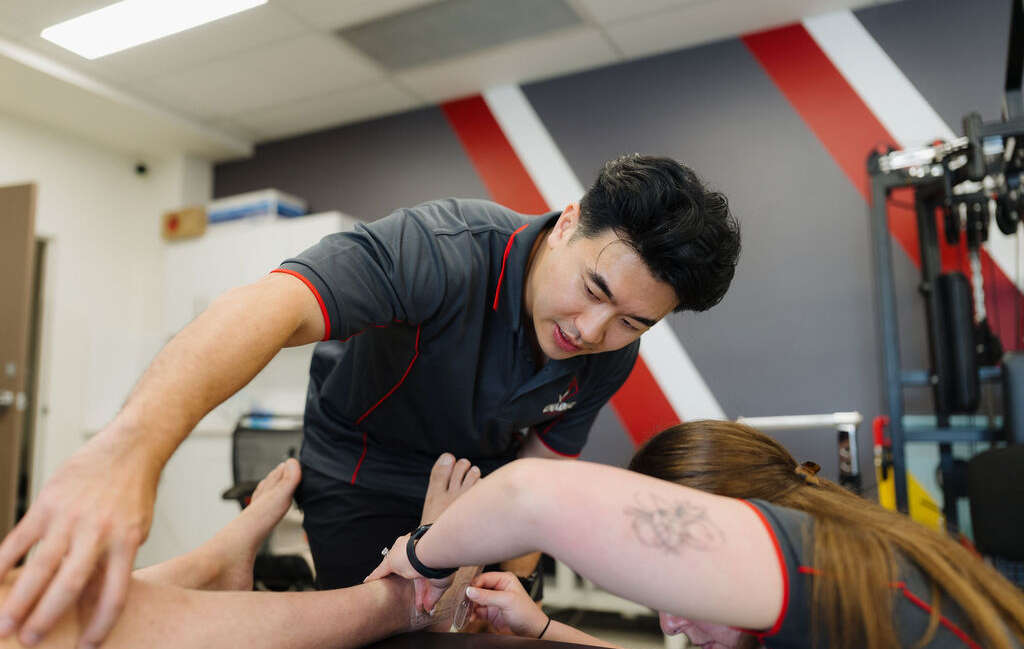
Unlike a personal trainer, an AEP works within a clinical framework — assessing your condition, understanding your NDIS goals, and designing a program specifically for your needs. Services go well beyond gym-based exercise and include movement assessment, strength and mobility training, balance and falls prevention, cardiovascular conditioning, and neurological rehabilitation.
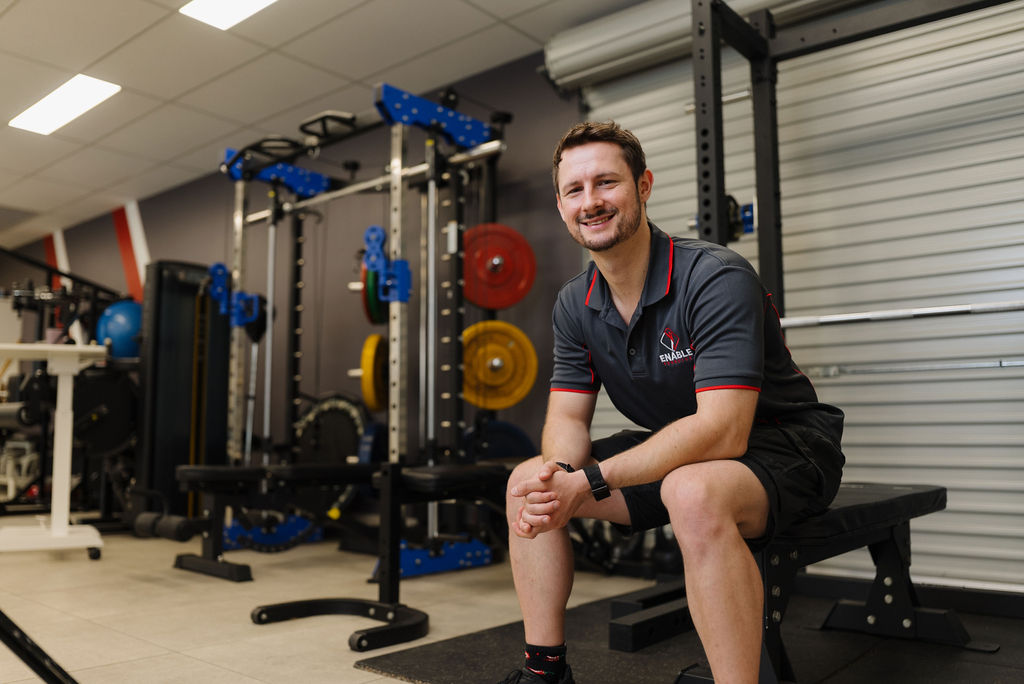
NDIS exercise physiology in Sydney is available through clinic-based, home visit, and telehealth formats, making it accessible regardless of your mobility or transport situation.
Who Can Access NDIS-Funded Exercise Physiology?
To access exercise physiology through your NDIS plan, you need to be an approved NDIS participant with plan goals that relate to improving your physical function, independence, or daily living capacity.
Exercise physiology is particularly well-suited for participants with:
- Neurological conditions (stroke, spinal cord injury, Parkinson’s disease, multiple sclerosis, acquired brain injury, cerebral palsy)
- Physical disabilities affecting mobility, strength, or balance
- Chronic pain or fatigue limiting daily activity
- Goals related to walking, transfers, community participation, or reducing reliance on carers
How is Exercise Physiology Funded in an NDIS Plan?
NDIS exercise physiology is funded under the Capacity Building budget, in one of two categories:
- Improved Health and Wellbeing — for managing a health condition, improving fitness, or preventing decline
- Improved Daily Living — for functional capacity such as walking, transfers, or self-care
Current NDIS rate: $193.99 per hour (2025–26 price guide).
What Happens in an NDIS Exercise Physiology Session?
Your first session is always an assessment covering your diagnosis, movement, strength, balance, and NDIS goals. From there, a personalised program is built and progressed over follow-up sessions. Progress is documented and reports written for plan reviews as needed.
NDIS Exercise Physiology vs. Physiotherapy: What’s the Difference?
Physiotherapy focuses on treating pain, injury, or impairment — often shorter-term. Exercise physiology focuses on long-term function through progressive exercise over months and years. Both complement each other and many Enable Exercise clients access both.
Frequently Asked Questions
Q: Do I need a referral?
A: No referral required — just NDIS funding in the relevant category.
Q: Can it be delivered at home?
A: Yes, in-home sessions are available if you have difficulty travelling.
Q: What if exercise physiology isn’t in my current plan?
A: Request it at your next plan review. We can write a supporting letter to strengthen your case.
Q: Is it available for children?
A: Yes, for NDIS participants of all ages.
Ready to Find Out More?
Contact us today to discuss your goals, or to book an initial assessment. We’re based in Canterbury, Sydney and welcoming new NDIS clients.